
Direct-to-consumer clothing means a brand sells its products straight to the buyer, no department store, no wholesale middleman, no marketplace cut. According to Wikipedia’s definition of the model](https://en.wikipedia.org/wiki/Direct-to-consumer), DTC is the business model where brands sell directly to end customers and bypass third-party retailers and wholesalers entirely. Thepreciouslamb operates exactly this way: an owned Shopify storefront, seasonal drops, and a community built through Instagram and email rather than through a shelf at a chain retailer.
The practical signals of a DTC clothing brand look like this:
- An owned online storefront (typically Shopify or Shopify Plus) where the brand controls pricing, copy, and photography
- Customer data captured at every touchpoint via tools like Klaviyo for email and SMS
- Direct feedback loops: reviews, fit questions, and UGC flow back to the brand, not a retailer
- Limited drops or curated seasonal collections that create urgency without overproduction
The FTC’s consumer protection framework applies directly to these brands because there is no retailer buffer between the brand’s claims and the buyer. That accountability is a feature, not a burden. It forces clarity in product pages, sizing, and sourcing language that builds long-term trust.
Key Takeaways
DTC clothing brands that control their storefront, own their customer data, and invest in fit guidance and social proof build more durable businesses than those chasing short-term paid media efficiency.
| Point | Details |
|---|---|
| Margins depend on retention | First-purchase economics are thin; repeat buyers acquired at near-zero CAC are where DTC profitability lives. |
| Storefront craft is the moat | Editorial product pages with fit notes and reviewer photos lower returns and increase conversion more reliably than ad spend alone. |
| Preorders reduce risk | Limited runs and preorders manage cash flow, reduce overproduction, and create marketing scarcity simultaneously. |
| Legal compliance is non-negotiable | FTC labeling, CCPA data privacy, and economic nexus sales tax rules apply from day one, regardless of brand size. |
| Thepreciouslamb as a model | Thepreciouslamb demonstrates DTC best practices through curated seasonal collections, transparent product pages, and community-driven brand storytelling. |
Table of Contents
- What makes direct-to-consumer clothing different from other retail models?
- Why DTC took off in fashion and what it actually delivers
- How the money actually works in DTC clothing
- Growth strategies that actually move the needle for DTC apparel
- Operational essentials: sourcing, inventory, fulfillment, and fit
- What it realistically costs and how long it takes to launch
- DTC clothing brand examples and what to learn from each
- The real risks in DTC clothing and how to manage them
- A 6-step checklist to launch your DTC clothing label
- Who actually buys from DTC clothing brands in the U.S.
- How to allocate your marketing budget and measure ROI
- Legal requirements DTC clothing brands must get right
- Sustainability and ethical sourcing in DTC clothing
- Why DTC still matters for brands that care about what they make
- Thepreciouslamb puts these DTC principles into practice
- Useful sources
What makes direct-to-consumer clothing different from other retail models?
DTC is a specific route-to-customer within the broader B2C category. B2C includes any business selling to consumers, including traditional retail and marketplace channels like Amazon. DTC is narrower: the brand owns the channel, the customer relationship, and the data.
Here is what that ownership looks like in practice:
What a DTC clothing brand typically owns:
- Its storefront and the full customer experience from landing page to checkout
- First-party customer data (purchase history, email, browsing behavior)
- Pricing decisions, including when and how to discount
- The narrative around materials, sourcing, and production
What a wholesale brand typically outsources:
- Shelf placement and in-store merchandising
- Customer acquisition at the point of sale
- Pricing at retail (subject to MAP policies, but ultimately the retailer’s call)
- Post-purchase customer data
The distinction matters most when a brand wants to iterate quickly. A DTC clothing label can test a new colorway, read the response in real-time through conversion data and reviews, and adjust the next production run. A wholesale brand waits for a buyer’s order cycle, which can be six to twelve months out.
Why DTC took off in fashion and what it actually delivers
The business case for DTC apparel comes down to three things: margin, story, and speed.
On margin, cutting out a wholesale markup typically means the brand captures a larger share of the retail price. DTC enables brands to offer premium quality at lower visible prices by removing middlemen, which means the same garment can be priced more competitively while still generating a healthier gross margin than a wholesale arrangement would allow.
On story, a DTC storefront is the brand’s editorial canvas. Every product page, every email, every Instagram post is a controlled brand moment. No retailer is rewriting the copy or placing the product next to a cheaper alternative. Brands like Everlane built their entire identity around radical price transparency, something only possible when you own the channel.
On speed, the feedback loop is the real advantage. A DTC brand running Klaviyo flows and a reviews platform like Okendo or Yotpo gets sizing feedback, fit complaints, and styling questions within days of a launch. That data shapes the next production run before a wholesale brand has even submitted its seasonal order.
Consumer preferences have shifted to match. Shoppers increasingly want to know where a garment was made, what it costs to produce, and whether the brand stands behind it. A DTC model makes that transparency structurally easier to deliver.
How the money actually works in DTC clothing
Unit economics are where DTC clothing brands succeed or fail. The metrics that matter most:
- Average Order Value (AOV): the average revenue per completed transaction. Bundles, cross-sells, and free shipping thresholds push this up.
- Gross margin per SKU: revenue minus cost of goods sold (fabric, cut-and-sew, trims, shipping to warehouse). Healthy DTC apparel gross margins are generally considered to be moderately high, though they vary by product category and production volume.
- Customer Acquisition Cost (CAC): total paid and owned marketing spend divided by new customers acquired. Rising CPMs on Meta and TikTok have pushed CAC up significantly for many brands.
- Repeat purchase rate: the percentage of customers who buy more than once. This is the single most important lever for long-term profitability.
- Return rate: apparel returns run high, often 20–30% for online-only brands. Every return erodes margin.
That is a thin margin. The second purchase at $51 gross profit costs almost nothing to acquire. That is why retention is not a nice-to-have; it is the engine.
Revenue streams for a DTC clothing brand extend beyond one-time product sales. Subscription or replenishment models work for basics (socks, tees, underwear). Bundles and outfit drops increase AOV. Some brands add a wholesale or licensing channel as a secondary revenue stream once they have established brand equity, though this reintroduces the margin trade-off discussed above.
Growth strategies that actually move the needle for DTC apparel
The brands that scale in DTC fashion are not necessarily the ones with the biggest ad budgets. Modern DTC fashion competes on storefront craft and social proof rather than price alone, and many of the most successful brands run a Shopify-first stack combined with Klaviyo and a reviews layer.
Paid acquisition:
- Test creative aggressively on Meta and TikTok before scaling spend. A single winning video creative can cut CAC by 30–50% compared to a static image.
- Build lookalike audiences from your highest-LTV customers, not just purchasers.
- Diversify early: Google Shopping, Pinterest, and programmatic retargeting reduce dependence on any one platform’s algorithm.
Organic and owned channels:
- Email and SMS flows (welcome series, abandoned cart, post-purchase, win-back) are the highest-ROI channels for most DTC apparel brands.
- UGC and customer photos on product pages convert better than brand photography alone for most categories.
- Collaborations with complementary brands and creators expand reach without paid media costs.
- Pop-ups and IRL activations build community density in a way that digital channels cannot replicate. Brands like Kith built cult followings partly through physical retail experiences.
Retention:
- Loyalty programs (points, tiers, early access) increase repeat purchase rates meaningfully.
- Post-purchase fit guidance, care instructions, and styling content reduce returns and increase satisfaction scores.
The technology stack is largely standardized: Shopify for the storefront, Klaviyo for email and SMS, a reviews platform (Okendo, Yotpo, or Junip), and a loyalty tool like LoyaltyLion or Smile.io. The differentiation is not in the tools. It is in how the brand assembles its editorial voice and social proof on top of that stack.
Pro Tip: Dense, photo-rich review sections on product pages do two things at once: they lower CAC by increasing conversion rate (so you need fewer ad clicks per sale) and they reduce returns by giving shoppers realistic fit expectations before they buy.
Operational essentials: sourcing, inventory, fulfillment, and fit
Operations is where DTC clothing brands most often underestimate complexity. Getting the product right is one challenge; getting it to the customer reliably and profitably is another.
Sourcing and manufacturing
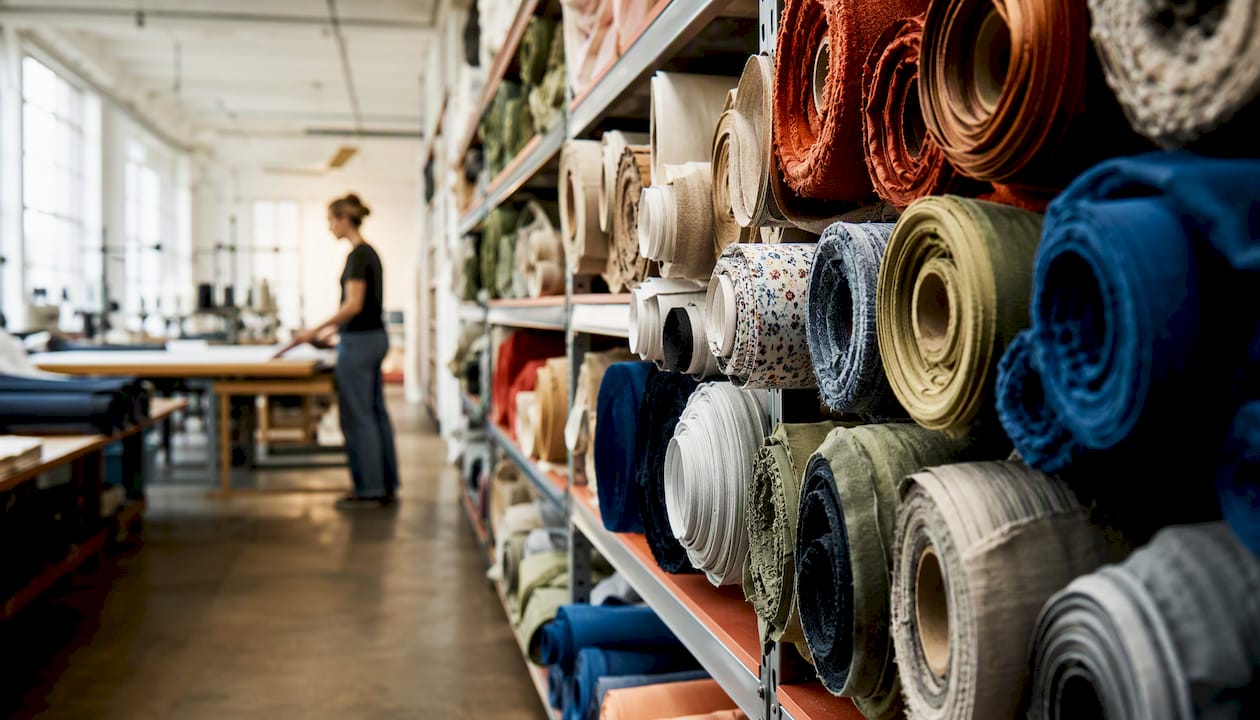
Small-batch and on-demand production reduce upfront capital risk but carry higher per-unit costs and longer lead times from some suppliers. Deadstock sourcing, using surplus fabric from larger manufacturers, cuts material costs and aligns with sustainability goals. Preorders and deadstock sourcing are common practices among DTC brands for managing inventory and reducing waste. Direct factory relationships (cutting out the sourcing agent) improve margin and transparency but require more founder time and travel.
Inventory strategy
Preorders are underused. They validate demand before production, reduce overstock risk, and align with sustainability goals by avoiding overproduction. Limited runs create scarcity that supports full-price selling. For best-sellers, a basic safety stock rule (maintain 4–6 weeks of cover based on trailing sales velocity) prevents stockouts without tying up excessive cash.
Fulfillment
In-house fulfillment works at very low volumes but becomes a bottleneck quickly. A 3PL (third-party logistics provider) like ShipBob or Whiplash handles pick-pack-ship and returns processing at scale. Regional micro-fulfillment reduces average shipping distance and cuts transit time, which matters for conversion and customer satisfaction. Returns processing for apparel should include a clear condition-grading step so returned items can be restocked, donated, or liquidated rather than discarded.
Fit and sizing
Editorial product pages that prioritize fit guidance, reviewer photos, and integrated Q&A systematically reduce returns for DTC apparel. Size finders, detailed fit notes (“model is 5’10” wearing a Medium, fits true to size"), and reviewer-sourced fit data (“runs small in the shoulders”) give shoppers the confidence to buy the right size the first time.

| Operational choice | Pros | Cons | Cost implication |
|---|---|---|---|
| On-demand production | Low inventory risk, no overstock | Higher per-unit cost, longer lead times | Higher COGS, lower margin |
| Bulk buy (pre-season) | Lower per-unit cost, faster restock | Overstock risk, capital tied up | Lower COGS, cash flow risk |
| In-house fulfillment | Full control, low fixed cost at low volume | Bottleneck at scale, labor-intensive | Low fixed cost, high variable |
| 3PL fulfillment | Scalable, regional options available | Less control, per-unit fees | Predictable variable cost |
| Deadstock sourcing | Lower material cost, sustainability story | Limited colorway/fabric options | Reduced material COGS |
What it realistically costs and how long it takes to launch
There is no single number, but there are honest ranges. Most DTC clothing brands that reach stable sales typically invest meaningfully on fit and quality, storefront experience, and paid creative before launch, often within roughly a year and a half.
Rough cost ranges by category (U.S. market, 2026):
- Tech packs and samples: $500–$3,000 depending on complexity and whether you use a freelance technical designer or a full-service studio.
- First production run: $5,000–$30,000 for a small-batch run of 100–500 units per SKU, depending on fabric, construction, and factory minimums.
- E-commerce setup (Shopify + apps): $500–$2,500 for initial setup, theme, and essential app subscriptions.
- Photography and creative assets: $1,500–$5,000 for a launch shoot that covers product pages, social, and paid ads.
- Marketing (first 6 months): $3,000–$15,000 in paid media, plus owned channel setup (email flows, SMS).
- Operations and fulfillment setup: $500–$2,000 for 3PL onboarding, packaging design, and initial shipping supplies.
Total realistic launch budget: $11,000–$57,500, with most founders who reach traction spending in the $20,000–$35,000 range.
Timeline milestones:
- Product concept and validation (weeks 1–4): define the core product, identify target customer, validate with a small survey or waitlist.
- Tech pack and sampling (weeks 5–12): develop specs, source a factory, order first samples.
- Sample review and revision (weeks 13–18): fit testing, fabric approval, photography planning.
- Production run (weeks 19–28): place order, manage production timeline, arrange freight.
- Store build and pre-launch (weeks 25–30): Shopify setup, product page copy, email flows, social content.
- Launch and first 90 days (weeks 31–42): paid media tests, organic content, first customer reviews, iteration.
The overlap between production and store build is intentional. Use that time to build your email list before you have inventory to sell.
DTC clothing brand examples and what to learn from each
The brands worth studying are not necessarily the biggest. They are the ones that built a specific moat and executed it consistently.
Everlane made radical price transparency its entire identity. Every product page breaks down the cost of materials, labor, and transport, then shows the markup. That editorial commitment to honesty built a customer base that trusts the brand’s sourcing claims. The lesson: transparency is a marketing strategy, not just an ethical stance. Thepreciouslamb applies a version of this through behind-the-scenes content and clear product storytelling.
Rothy’s built its brand around a single material innovation (recycled plastic bottles woven into shoes and bags) and told that story relentlessly across every channel. The lesson: one clear, defensible product story is more powerful than a broad catalog claim. Niche positioning works. Specialty apparel brands in smaller categories show how tight vertical focus and community can make DTC viable even with modest budgets.
Quince competes on value by sourcing directly from factories and publishing factory names on product pages. The lesson: supply chain transparency is a competitive advantage, not just a compliance exercise.
Kith runs a hybrid model: DTC online plus owned retail stores that function as brand experiences. The lesson: physical touchpoints amplify digital brand equity. You do not need to choose between DTC and IRL.
Aime Leon Dore built its brand almost entirely through community and aesthetic consistency before scaling distribution. The lesson: brand equity built slowly through editorial rigor is harder to copy than a paid media playbook.
AYR focuses on fit-obsessed product pages with detailed measurements, reviewer photos, and fit notes for every SKU. The lesson: the product page is the most underinvested real estate in DTC fashion. Curated DTC brand lists consistently identify editorial product pages and deep social proof as the repeatable patterns behind sustainable growth.
Sézane (French brand with a strong U.S. following) built scarcity through limited drops and a waitlist culture. The lesson: limited-edition releases create urgency and simplify inventory forecasting while giving the brand a built-in content moment every drop cycle.
Italic removes brand markup entirely by selling factory-direct with a membership model. The lesson: pricing model innovation can itself be the brand story.
Naadam leads with its cashmere supply chain story, including direct relationships with Mongolian herders. The lesson: sourcing transparency at the raw material level creates a story no competitor can easily replicate.
Thepreciouslamb applies these principles through curated seasonal collections, detailed product photography, and community-driven Instagram content. The Contrast Striped Lapel Collar Sweatshirt product page is a working example of how fit notes, clean photography, and a clear brand voice combine on a single DTC product page.
The real risks in DTC clothing and how to manage them
Most DTC clothing brands do not fail because the product is bad. They fail because the economics stop working before the brand reaches the scale where they would.
Rising CAC: Meta and TikTok CPMs have increased substantially over the past three years. A brand that built its model on a $25 CAC in 2021 may be looking at $60–$80 today for the same customer profile. Mitigation: diversify channels early (SEO, email, organic social, partnerships), invest in retention to reduce dependence on paid acquisition, and build an email list before you need it.
Every return costs the brand shipping (both ways), processing labor, and often a damaged or unsellable item. Mitigation: invest in fit guidance, size finders, and reviewer photos on product pages. Detailed fit notes reduce the “I wasn’t sure about the size” return reason, which is the most preventable category.
Mitigation: treat channel diversification as a risk management exercise, not a growth exercise.
Supply chain disruptions: Lead times from overseas factories can stretch from 8 weeks to 20+ weeks during disruptions. Mitigation: maintain relationships with at least two factories, use preorders to manage cash flow during delays, and keep a small safety stock of best-sellers.
Red flags that predict failure:
- Launching without a single winning product (spreading across too many SKUs too early)
- No retention plan beyond a generic discount code at checkout
- Product pages with no reviewer photos or fit guidance
- Opaque supply chain with no sourcing story
- Margins that only work at a CAC the brand has never actually achieved
A 6-step checklist to launch your DTC clothing label
Getting from idea to first sales does not require a perfect plan. It requires a sequenced one.
-
Validate your core product idea (weeks 1–4). Build a waitlist or run a pre-launch survey before spending on production. If you cannot get 50 people to give you their email address for early access, the product needs work. Budget: $0–$200 for a landing page tool.
-
Develop your tech pack and order samples (weeks 5–12). Hire a technical designer on Upwork or through a platform like Techpacker. Get at least two factory quotes. Budget: $500–$2,000.
-
Fit-test and approve samples (weeks 13–18). Fit on real bodies across your size range. Photograph the samples for social content. Do not skip this step to save time. Budget: $200–$500 for fit models or community members.
-
Place your production run (weeks 19–28). Start small: 100–300 units per SKU. Use preorders if possible to fund production. Budget: $5,000–$20,000 depending on SKU count and factory minimums.
-
Build your storefront and pre-launch audience (weeks 25–30). Set up Shopify, write product pages with detailed fit notes, configure Klaviyo welcome and abandoned cart flows, and grow your email list to at least 500 subscribers before launch. Budget: $1,000–$3,000.
-
Launch and run 90-day paid media tests (weeks 31–42). Test 3–5 creative concepts on Meta or TikTok with a modest daily budget ($30–$50/day). Identify one winning creative before scaling spend. Budget: $2,000–$5,000 for the first test period.
Pro Tip: Before committing to a full production run, sell 20–30 units of a sample or pre-production version at a discount to a small group of real customers. Their fit feedback and photos are worth more than any focus group, and the sales validate demand before you spend on inventory.
Who actually buys from DTC clothing brands in the U.S.
The DTC clothing customer in the United States is not a single demographic. The model attracts several distinct buyer profiles, and understanding which one your brand serves shapes every decision from product to channel to price point.
The values-driven shopper (ages 25–40) chooses DTC brands specifically because of transparency: sourcing information, pricing breakdowns, and ethical production claims. This customer reads the “About” page, checks the brand’s Instagram for behind-the-scenes content, and is willing to pay a premium for a brand they trust. Brands like Naadam and Everlane built their customer bases here. Thepreciouslamb’s emphasis on craft and ethical materials speaks directly to this profile. For more on values-driven brand positioning, Christian clothing brands for ethically minded shoppers illustrates how community and values intersect in DTC fashion.
The streetwear and hype buyer (ages 16–30) is motivated by drops, exclusivity, and cultural relevance. This customer follows brands on TikTok and Instagram, participates in drop queues, and treats clothing as a form of identity expression. Kith and Aime Leon Dore serve this profile. Streetwear trends in 2026 show how quickly this customer’s preferences shift, which makes agile DTC production a real advantage over traditional retail timelines.
The quality-seeking minimalist (ages 28–45) wants fewer, better things. This customer is drawn to capsule collections, seasonless design, and brands that make a clear case for longevity over trend. Quince and AYR serve this profile. Capsule wardrobe brands that emphasize quality and versatility map directly to this buyer’s decision criteria.
The deal-aware premium shopper understands that DTC pricing should be lower than equivalent department store pricing for the same quality level. This customer compares actively and responds well to transparent pricing breakdowns. They are loyal when they feel the value is real, but they will leave for a better deal without a strong brand relationship.
Each profile requires a different content strategy, a different channel mix, and a different retention approach. Most successful DTC clothing brands serve one profile deeply rather than trying to appeal to all four.
How to allocate your marketing budget and measure ROI
Most early-stage DTC clothing brands spend too much on paid acquisition and too little on the owned channels that make paid acquisition profitable over time.
A reasonable budget allocation for a DTC clothing brand in its first 12 months:
- Paid media (Meta, TikTok, Google Shopping): 40–50% of marketing budget. This drives initial traffic and customer acquisition, but CAC will be high until creative is optimized.
- Email and SMS (Klaviyo setup, list growth, flow optimization): 10–15%. The highest-ROI channel once the list reaches meaningful size.
- Content creation (photography, video, UGC): 20–25%. Creative quality directly determines paid media efficiency. Underinvesting here is the most common mistake.
- Influencer and creator partnerships: 10–15%. Micro-influencers (10,000–100,000 followers) in your category typically deliver better ROI than macro-influencers for DTC apparel.
- Retention and loyalty tools: 5–10%. Smile.io, LoyaltyLion, or a referral program. The payback period is short once repeat purchase rate starts moving.
ROI measurement for DTC clothing:
The metrics that matter are not vanity metrics. Track these:
- Blended CAC (total marketing spend divided by total new customers, across all channels): this is the number that tells you whether the business is getting more or less efficient over time.
- LTV:CAC ratio: a ratio above 3:1 is generally considered healthy for DTC apparel. Below 2:1, the economics are fragile.
- Email revenue as a percentage of total revenue: healthy DTC brands typically see 20–35% of revenue attributed to email. If it is below 15%, the retention program needs work.
- Return on ad spend (ROAS): useful for channel-level decisions, but blended CAC is more honest about true acquisition cost.
- Repeat purchase rate at 90 days and 180 days: these cohort metrics tell you whether customers are coming back before you need to reacquire them.
Attribution in DTC is imperfect. Last-click attribution overvalues paid channels and undervalues email, organic social, and word of mouth. Use a mix of platform-reported data, post-purchase surveys (“How did you hear about us?”), and cohort analysis to get a more accurate picture.
Legal requirements DTC clothing brands must get right
Running a DTC clothing brand in the United States means navigating several layers of federal and state regulation. This is general information; consult a qualified attorney for advice specific to your situation.
Garment labeling (FTC Textile and Wool Acts): Every garment sold in the U.S. must carry a label disclosing fiber content (by percentage), country of origin, care instructions, and the manufacturer or dealer’s identity (RN or WPL number, or full name). The FTC enforces these requirements. Noncompliance can result in fines and product recalls.
Consumer rights and returns: The FTC’s Mail, Internet, or Telephone Order Merchandise Rule requires that you ship orders within the timeframe you advertise (or within 30 days if no timeframe is stated), and that you notify customers and offer a full refund if you cannot meet that timeline. Your return policy must be clearly stated before purchase.
Data privacy: If you collect customer data (and every DTC brand does), you are subject to state privacy laws including the California Consumer Privacy Act (CCPA) and the California Privacy Rights Act (CPRA) for California residents, and similar laws in Virginia, Colorado, and other states. At minimum, your Shopify store needs a compliant privacy policy, a cookie consent mechanism, and a process for handling data deletion requests.
Sales tax (economic nexus): Following the Supreme Court’s 2018 South Dakota v. Wayfair decision, DTC brands must collect and remit sales tax in states where they exceed economic nexus thresholds, even without a physical presence. Most states set the threshold at $100,000 in sales or 200 transactions per year. Tools like TaxJar or Avalara automate this for Shopify stores.
Advertising claims: The FTC requires that any claim about sustainability, organic materials, or ethical sourcing be truthful and substantiated. “Made in USA” claims have specific FTC standards: the product must be “all or virtually all” made in the United States. Greenwashing claims are under increasing FTC scrutiny.
Sustainability and ethical sourcing in DTC clothing
Sustainability has moved from a differentiator to a baseline expectation for a growing segment of U.S. clothing shoppers. The DTC model is structurally better suited to ethical sourcing than traditional retail, but only if the brand builds those practices in deliberately.
Why DTC enables better sustainability:
The direct relationship between brand and factory removes the layers of intermediaries that obscure supply chain conditions in traditional retail. A DTC brand can publish its factory names, audit results, and material certifications directly on its website because it has a direct relationship with those suppliers. Brands like Naadam and Quince do this explicitly.
Preorders and limited runs reduce overproduction, which is one of the fashion industry’s most significant waste problems. Preorders and deadstock sourcing are practical tools DTC brands use to reduce waste and manage inventory, not just marketing talking points.
Practical sustainability practices for DTC clothing brands:
- Source certified organic or recycled fabrics where the cost premium is supportable (GOTS, OEKO-TEX, bluesign certifications are the most recognized in the U.S. market)
- Publish factory names and country of origin on product pages, not just on the label
- Use deadstock fabric for limited runs to reduce material waste
- Offer a repair or take-back program for worn garments (even a simple one builds loyalty)
- Right-size packaging: eliminate excess tissue paper and plastic polybags where possible
What shoppers actually respond to:
Transparency about what you are doing and honest acknowledgment of what you are still working on outperforms vague sustainability claims.
Why DTC still matters for brands that care about what they make
The DTC model gets talked about mostly in terms of margins and data. Those matter. But the deeper reason it matters for a brand like Thepreciouslamb is control over the story.
When you sell through a retailer, the product page is theirs. The photography is theirs. The customer relationship is theirs. You ship boxes and hope the brand survives the translation. DTC removes that translation layer entirely. The fit notes, the behind-the-scenes content, the community built through Instagram and email: all of it is the brand’s to build and own.
The brands that have lasted in DTC fashion are not the ones that spent the most on ads. They are the ones that built something worth coming back to: a clear point of view, a product that delivers on its promise, and a storefront that treats the customer as someone worth talking to honestly. That is a harder thing to build than a Shopify theme, but it is also the thing that compounds over time.
Thepreciouslamb puts these DTC principles into practice
Thepreciouslamb is a working example of what thoughtful DTC clothing looks like in practice. The brand’s product pages lead with clean photography, honest fit notes, and a clear brand voice that does not oversell. The Contrast Striped Lapel Collar Sweatshirt shows how a single product page can carry the brand’s full identity: the photography, the material story, and the sizing guidance all do real work.

The seasonal collection approach keeps inventory focused and avoids the overproduction trap that undermines both margins and sustainability claims. Community engagement through Instagram and email builds the kind of repeat customer base that makes DTC economics work over time. If you want to see these principles applied to a curated streetwear and casual apparel collection, browse the shop at Thepreciouslamb and see how the product pages, photography, and brand voice come together.
Useful sources
- Direct-to-consumer (Wikipedia): The foundational definition of the DTC business model, distinguishing it from wholesale and marketplace retail.
- 8 DTC fashion brands to watch now (Quoli) — Analysis of how modern DTC fashion brands compete on storefront craft, social proof, and a Shopify-first tech stack.
- 40+ Direct-to-Consumer Fashion Brands (Zanniee): Practical examples of DTC practices including preorders, deadstock sourcing, and transparent pricing.
- 12 Best DTC Clothing Brands in 2026 (Ringly) — Curated brand examples with patterns useful for identifying repeatable DTC tactics and tech stack choices.
Recommended
- Christian Clothing Brands for Stylish, Ethically Minded Shoppers – THE PRECIOUS LAMB
- Best Oversized T-Shirts for Men: 2026 Buyer’s Guide – THE PRECIOUS LAMB
- Best Capsule Wardrobe Brands for Quality and Style – THE PRECIOUS LAMB
- Streetwear Trends 2026: What’s Defining the Streets Now – THE PRECIOUS LAMB