
Smart casual streetwear is a relaxed street silhouette pulled tight by tailoring restraint: premium fabric, quiet branding, and structure where it counts. The fastest way to get it right is one formula: heavyweight neutral tee, boxy overshirt, wide trouser or roomy denim, and a clean, low-key sneaker. Nothing shouts. Nothing sags without a reason.
This works for a Saturday coffee run, a creative office, or a dinner where you want to look like you tried without looking like you tried too hard.
- Base: heavyweight boxy tee in a neutral tone
- Layer: unstructured overshirt, buttoned or open
- Bottom: wide trouser or relaxed denim
- Feet: a considered sneaker, not a logo-loud one
Key Takeaways
Smart casual streetwear works when a relaxed street silhouette meets tailoring restraint through premium fabric, quiet branding, and deliberate proportion.
| Point | Details |
|---|---|
| Core formula | Heavyweight tee, boxy overshirt, wide trouser or roomy denim, and a clean sneaker cover most situations. |
| Volume rule | Keep one half of the outfit roomy and the other tapered; never go oversized top and bottom together. |
| Focal-point discipline | Pick one loud element per outfit, a logo, a bold color, or an unusual texture, and keep everything else quiet. |
| Fabric over hype | Heavyweight cotton, dense twill, and rigid denim signal quality better than any graphic print. |
| Where to start shopping | Thepreciouslamb’s boxy tees, denim jackets, and considered hoodies map directly onto the core pieces this look requires. |
Table of Contents
- What Is Smart Casual Streetwear, Really?
- Core Pieces: The Wardrobe Building Blocks
- The Volume Rule: Why Proportion Beats Everything Else
- Five Outfit Formulas You Can Copy Right Now
- Fabrics and Colors That Signal Quality Without a Logo
- When Smart Casual Streetwear Fits the Office
- What Not to Wear: Common Mistakes
- Why Fabric and Fit Now Matter More Than Hype
- Building a More Ethical Smart Casual Wardrobe
- Author Joshua: A Short Wardrobe Priority Note
- Build Your Smart Casual Streetwear Wardrobe With Thepreciouslamb
- Sources
What Is Smart Casual Streetwear, Really?
Smart casual streetwear sits in the gap between two wardrobes that used to never talk to each other. On one side: business casual, which per GQ generally rules out hoodies, sweatpants, distressed pieces, and technical sportswear. On the other: pure streetwear, built for comfort first and often leaning on logos to signal value.
Smart casual streetwear borrows the ease of street style but filters it through the discipline of tailoring. It’s the same shift the industry itself has gone through. Streetwear has moved from logo-driven hype toward what Dapper Confidential calls a post-hype look, one that leans on fabric weight, silhouette, and quiet branding instead of a loud graphic across the chest.
Athleisure gets confused with this look constantly, and the two aren’t the same thing. Athleisure is gym-fabric worn outside the gym. Smart casual streetwear uses actual garments, an overshirt, woven trousers, structured denim, not performance mesh dressed up as fashion. The comfort feels similar. The construction doesn’t.
Core Pieces: The Wardrobe Building Blocks
Five pieces do almost all the work here, and once you own them, outfit-building stops being a guessing game.
The overshirt is the frame. It sits heavier than a dress shirt and lighter than a jacket, which means it can be worn open over a tee or buttoned up like a light jacket. Dapper Confidential singles this out as the single most useful piece in the entire category, because it adds structure without killing the relaxed feel underneath.
The heavyweight boxy tee is your base layer, and weight matters more than most guys realize. A thin tee drapes limp and looks cheap under a jacket. A heavyweight one holds its shape, which is why heavyweight, slightly boxy tees have become the foundation of most modern smart streetwear closets. Thepreciouslamb’s own boxy heavyweight tee is built around exactly this idea.
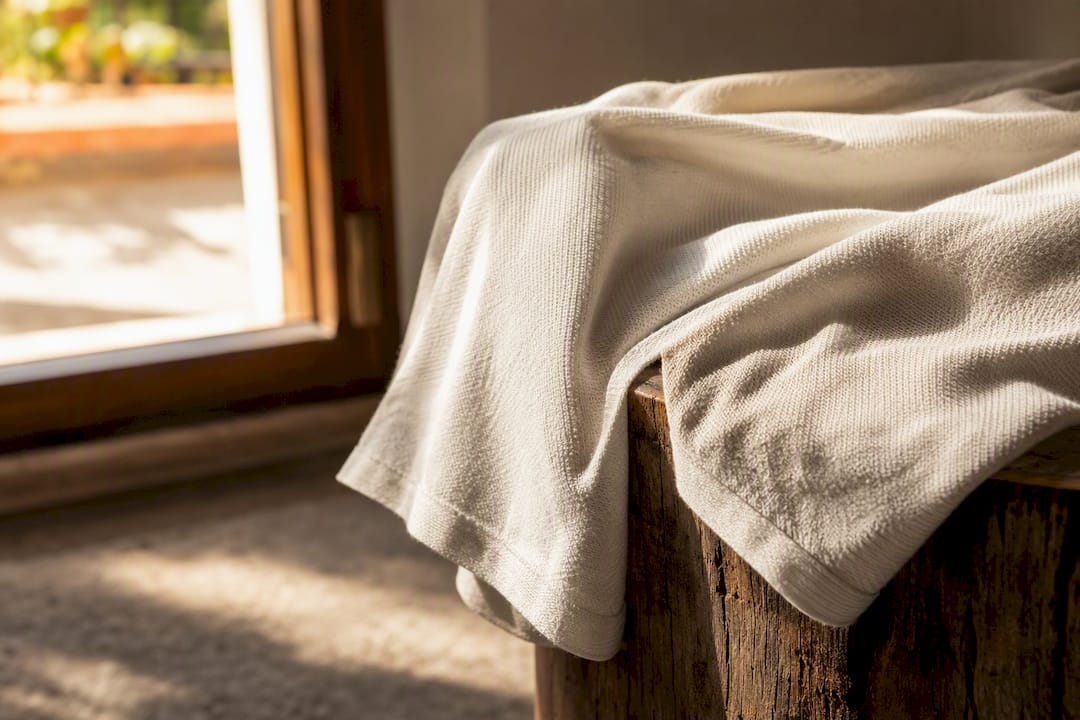
Wide or relaxed trousers and denim give you the volume half of the equation. Wide trousers work better for a dressier build; roomy straight-leg denim reads more casual. Pick trousers when you’re heading somewhere with any polish expected, denim when you’re not.
Considered sneakers are your one footwear decision, and it should be a quiet one: minimal branding, clean leather or suede, a shape that isn’t chunky or overtly athletic.
Round it out with a few finishing pieces:
- A structured denim or chore jacket for outer layers
- A leather watch or simple metal band
- A canvas or leather tote instead of a branded backpack
Pro Tip: Buy one great overshirt before you buy a second tee. It’s the piece that makes everything else look intentional instead of thrown on.
The Volume Rule: Why Proportion Beats Everything Else
Here’s the rule that separates “styled” from “just big clothes”: one half of your outfit stays roomy, the other stays tapered. Never both loose. Never both tight.
If your overshirt or tee is oversized, your trousers or denim need a straighter or slightly tapered leg. If you’re wearing genuinely wide trousers, balance them with a fitted tee or a tucked shirt on top. FashionBeans frames this as thinking loose, not baggy, and leaning on structured pieces rather than pure slouch to frame the volume you’ve chosen.
- Oversized top + tapered bottom. The classic combo. Boxy tee, straight or slim denim.
- Fitted top + wide bottom. The inverse. Fitted tee tucked in, wide-leg trouser on top.
- The mistake to avoid: oversized tee and oversized trouser together. That’s the outfit that reads sloppy instead of styled.
Height and build change the math slightly. Taller guys can push proportions further in either direction without looking swallowed. Shorter guys generally do better keeping at least one half close to the body, since too much volume on a smaller frame can shorten the silhouette.
If something already feels swampy, you don’t need new clothes to fix it. A simple hem shortening or a slight cuff at the ankle changes how a garment reads on the body, and a tuck at the front of a tee does the same for a top. These are five-minute fixes, not wardrobe overhauls.
Five Outfit Formulas You Can Copy Right Now
Each of these leans on one focal piece, everything else stays quiet so that piece can do the work.
- Weekend casual. Heavyweight tee, denim overshirt, straight-leg denim, canvas sneaker. Focal piece: the denim overshirt.
- Date night, elevated. Fitted black tee tucked in, tailored wide trouser, suede loafer. Focal piece: the loafer.
- Creative office. Boxy tee, unstructured chore jacket, dark straight trouser, minimal leather sneaker. Focal piece: the chore jacket.
- Transitional layering. Turtleneck or mock-neck base, overshirt, wide wool-blend trouser, chunky-sole boot. Focal piece: the boot.
- Polished errands. Heavyweight tee, zip-front jacket, relaxed cargo or chino, low-profile sneaker. Focal piece: the jacket’s silhouette.
For colder months, swap the sneaker for a leather boot and add a wool overshirt underneath your jacket instead of over it. In warmer weather, drop the overshirt entirely and let the tee and trouser carry the outfit alone, cotton twill breathes far better than denim once temperatures climb. Thepreciouslamb’s modest streetwear outfit guide has a few more combinations worth studying if you want additional starting points.
Fabrics and Colors That Signal Quality Without a Logo
Fabric is doing the job logos used to do. That’s the entire post-hype shift in one sentence, and it changes what you should actually be shopping for.
Look for:
- Heavyweight cotton in the 220 to 280 GSM range for tees and sweats
- Dense twill for trousers and overshirts, it holds a crease and drapes cleanly
- Brushed flannel for cooler-weather layering pieces
- Cotton-wool blends for structured jackets that need some give
- Rigid or selvedge denim for a jacket or jean that ages instead of just wearing out
Color-wise, stay tonal. Stone, olive, charcoal, off-white, and washed indigo do almost everything you need. Save a single muted accent color, rust, deep green, faded blue, for one piece per outfit, never two. Avoid neon or high-vis entirely; it reads gym or safety gear, not street style.
Texture is where you add interest once color and fit are locked. Suede against brushed cotton. A ribbed collar against a flat twill. Small contrasts like that do more for an outfit than a bold print ever will.
When Smart Casual Streetwear Fits the Office
Creative agencies, startups, and hybrid workplaces tend to welcome this look without much friction. Formal finance, law, and traditional corporate environments generally don’t, and pushing it there tends to read as miscalibrated rather than confident.
Three swaps raise the register fast when you need it:
- Swap the overshirt for an unstructured blazer in the same tonal palette
- Swap the sneaker for a minimal leather derby or clean loafer
- Swap lighter denim for a darker, straighter trouser
None of that requires abandoning the silhouette. You’re keeping the boxy tee, the tonal palette, the relaxed proportion; you’re just trading three pieces for versions with a bit more polish. The streetwear DNA stays intact underneath.
What Not to Wear: Common Mistakes
The biggest mistake is treating every piece as a chance to show a logo. Pick one focal item per outfit and let the rest go quiet, that’s the entire lesson of the post-hype shift.
- Don’t stack graphic tee, logo cap, and branded sneaker in the same outfit
- Don’t wear oversized on top and oversized on the bottom at the same time
- Don’t reach for gym leggings, mesh shorts, or performance zip-ups; they read as workout gear even styled up
- Don’t leave hems unhemmed if a trouser puddles at the ankle, a $15 alteration fixes it permanently
Pro Tip: If you’re not sure whether an outfit has too much going on, count the “loud” elements: one logo, one bold color, one unusual texture. Anything past one, and something needs to come off.
Why Fabric and Fit Now Matter More Than Hype
The shift toward fabric over logos isn’t a trend cycle, it’s a correction. Smart streetwear went through its hype-drop era, and what’s left standing values weight, drape, and construction because those things don’t go out of style the way a graphic print does.
Thepreciouslamb’s own editorial coverage of current streetwear trends tracks this shift closely, and the product range reflects it directly:
- Boxy heavyweight tees built for the base-layer role, not as an afterthought
- Structured overshirts and denim jackets designed to hold shape when worn open
- Considered hoodies with cleaner lines instead of oversized branding
If you’re assembling a starter wardrobe, the heavyweight tee guide and the modest streetwear formulas linked earlier are good places to start before you touch a single product page.
Building a More Ethical Smart Casual Wardrobe
Fabric quality and ethics tend to travel together in this category, and that’s not a coincidence. A heavyweight cotton tee that holds its shape for three years beats five thin ones that pill and stretch within a season, both for your wardrobe and for how much gets thrown away.
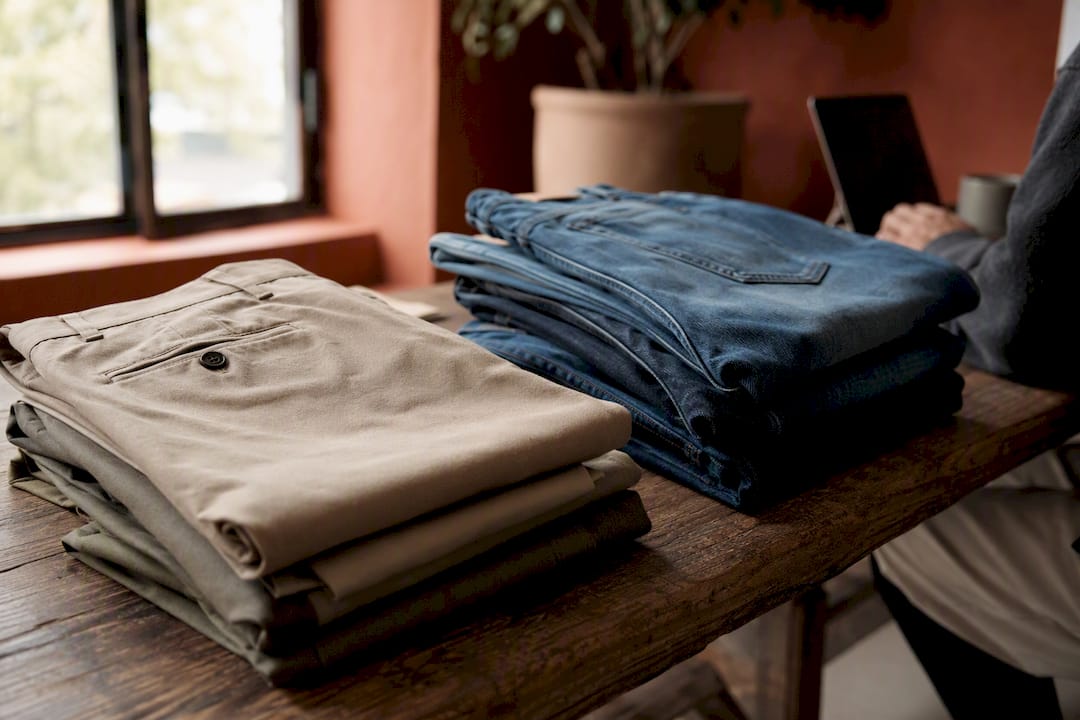
Look for pieces made from responsibly sourced cotton, denim with lower-impact washing processes, and brands that talk openly about where garments are made rather than staying vague about it. Rigid or selvedge denim tends to last longer than fast-fashion denim blends, which means fewer replacement purchases over time. That’s a sustainability argument as much as a style one.
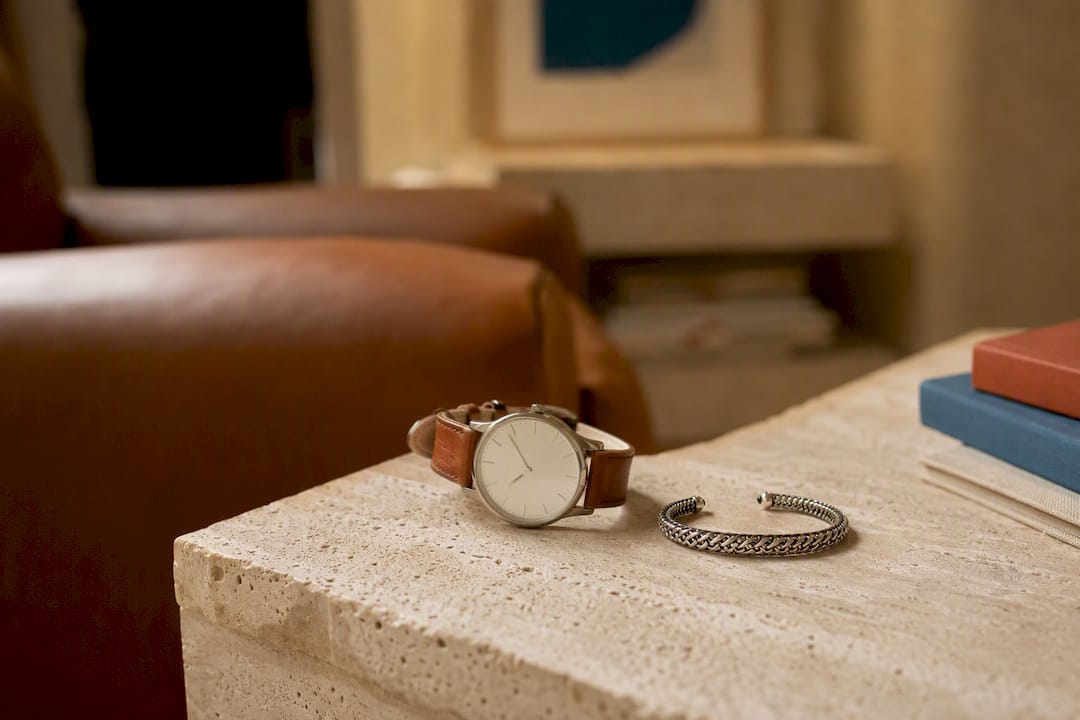
Accessories matter here too. A simple leather watch or a piece of ethically sourced jewelry adds finishing polish without leaning on mass-produced costume pieces. The Meri Jaan’s guide to accessorizing with ethical gems is worth a look if you want small, considered accent pieces that fit this register without the ethical shortcuts.
None of this requires buying less style. It requires buying fewer things, better made, in colors and cuts that don’t age out after one season, which happens to be exactly what the volume rule and the fabric guidance above already point you toward.
Author Joshua: A Short Wardrobe Priority Note
My buying order never changes: fit and fabric first, one focal shoe second, neutrals in heavyweight cotton third. Everything else is decoration.
The rule I give every guy who asks me where to start: if you can’t tell whether a piece is “loose” or “sloppy” just by looking at it on a hanger, it’s sloppy. Structure earns the right to be relaxed.
Build Your Smart Casual Streetwear Wardrobe With Thepreciouslamb
You don’t need to hunt across a dozen brands to piece this look together. Thepreciouslamb builds its core catalog around exactly the pieces this article just walked through: heavyweight boxy tees for your base layer, structured denim jackets for outerwear, and considered hoodies that skip the oversized branding most street labels lean on.
Start with the Denim Vintage Washed Heavyweight Jacket if you need your structured outer layer first, it’s the single piece that does the most heavy lifting in the volume rule above. Add the Contrast-Stitched Boxy Fleece Zip Hoodie for a softer layering option on cooler days. From there, browse the full product catalog for tonal neutrals and heavyweight cotton pieces that hold their shape the way this article’s fabric section recommends.
Sources
- Business casual attire for men explained | GQ
- Smart streetwear for men: Elevated casual that still has edge | Dapper Confidential
- How To Wear Streetwear Like A Grown-Up | FashionBeans