
Layer thin to thick and keep it to three visible pieces: a fitted base, a statement mid layer, and a protective outer shell. That order preserves your silhouette instead of turning you into a marshmallow, and it lets you adjust for temperature without rebuilding the whole outfit. Everything else in this guide is just detail on how to execute that one rule well.
TL;DR:
- The foundation of effective layering involves three visible pieces: a fitted base, a statement mid layer, and a protective outer shell, with no more than four visible layers.
- Proper proportion and hem staging are crucial; each layer should hit at different lengths and fit to avoid shapelessness and maintain a deliberate silhouette.
- Choosing fabrics that breathe, especially for base and mid layers, prevents excessive sweating and overheating during extended wear.
- Footwear should match the weight of the outfit’s heaviest layer to avoid visual imbalance, with chunky shoes suited for heavier layers and slimmer shoes for lighter outfits.
- Layering adjustments based on body type are simple: keep volume distribution proportional, with broader shoulders favoring volume on the outer layer and shorter frames benefiting from tighter layers and higher hem gapes.
Table of Contents
- What Are the Core Rules of Streetwear Layering?
- Six 3-Layer Formulas You Can Copy Today
- How Do You Build and Test a Layered Outfit?
- Common Layering Mistakes (and Quick Fixes)
- Meet the Author Behind This Guide
- Does Fabric Breathability Matter When You Layer?
- How Should Color Work in a Layered Outfit?
- What Shoes Work Best With Layered Outfits?
- How Do You Adjust Layering for Different Body Types?
- How Do You Care for Layered Streetwear Pieces?
- Why Intentional Layering Beats Buying More Clothes
- Shop the Look: Pieces Built for These Formulas
- Sources
What Are the Core Rules of Streetwear Layering?
Weight hierarchy comes first. Put your thinnest fabric closest to your skin and build outward toward the heaviest piece. A thermal or cotton tee under a midweight hoodie under a wool coat drapes correctly because each layer has room to move without bunching. Reverse that order, and you get a stiff, boxy mess that reads more “confused” than “styled.” A systematic layering approach treats the base as the piece controlling fit and drape, the mid layer as the anchor, and the outer as the finishing touch that shapes the whole silhouette.
Proportion is the second lever. If your mid layer is oversized, your base and bottoms should stay closer to the body. Stack two loose pieces and you lose your shape entirely; pair one loose piece with something fitted and the outfit suddenly looks deliberate.
Hem staging matters more than people realize. When your base tee, mid hoodie, and outer jacket all hit at slightly different lengths, each layer gets to show. Line them all up flush and you’ve built one shapeless block instead of three distinct pieces. Tokyo-style layering leans hard into this: stagger the hems, let collars peek out, and treat every visible edge as part of the design.
Texture is your best friend in a limited color palette. A gray-on-gray outfit looks flat in one fabric but rich when you mix a ribbed knit, a brushed fleece, and a stiff denim shell. Depth comes from contrast in surface, not just contrast in color.
- Base layer: thin, close to the skin, controls fit
- Mid layer: the visual anchor, usually your statement piece
- Outer layer: protects from weather and refines the shape
- Stop at 3 to 4 visible layers; experienced stylists warn that piling on more starts to erase your silhouette instead of building it
Pro Tip: If two pieces in your outfit are competing for attention, pick one to be the star and make the other one quiet. A graphic hoodie under a plain overshirt works. A graphic hoodie under a graphic jacket does not.
Six 3-Layer Formulas You Can Copy Today
You don’t need to reinvent your outfit every morning. These six formulas cover most of what a cold season throws at you, from a January commute to a mild October afternoon.
- Everyday winter. Thermal tee, heavyweight hoodie, roomy parka. The thermal keeps you warm without adding bulk, the hoodie brings the visual weight, and the parka’s extra room means the hood and cuffs won’t choke your layers underneath. Watch the sleeve fit on the parka. It needs enough room for the hoodie cuff to peek out.
- Urban casual. Long tee, oversized hoodie, denim or chore coat. Let the tee hem drop an inch or two below the hoodie so it reads as a layer, not an accident. Push the coat sleeves up slightly to expose hoodie cuffs.
- Refined streetwear. Fitted turtleneck, crew sweater, wool blazer or long coat. Keep the turtleneck neckline clean and visible above the sweater collar. This formula trades bulk for structure and works well when you want streetwear DNA without looking sloppy in a dressier setting.
- Denim-on-denim. Light denim shirt under a heavier washed denim jacket, paired with a different wash on the jeans. Staggering the washes and letting the shirt collar and cuffs show is what keeps this from looking like a costume.
- Warm-weather or transitional layering. Mesh or short-sleeve tee over a long-sleeve base, topped with a lightweight overshirt or vest. Seasonal guidance points to open overshirts and vests instead of heavy fabric once temperatures climb, and the same idea works well for early fall days that haven’t committed to cold yet. A warm-weather matching set approach applies here too, using lighter pieces to keep the layered look without the heat.
- Accessory-as-layer. A crossbody sacoche, beanie, and scarf can function as visible layers on days too warm for a full outer shell. They add the visual complexity of layering without the added warmth, which is useful on 50 degree days when a coat is overkill.
How Do You Build and Test a Layered Outfit?
Start with the base, not the jacket. Put on your fitted tee or thermal first and check that the sleeves and torso sit close without restricting movement. If the base is already loose, everything you add on top will look bigger than intended.
Choose one statement mid layer, then work backward. Decide if it’s the hoodie, the sweater, or the overshirt carrying the outfit, and pick your base and outer pieces to support it rather than compete with it.
Try the outerwear on over the mid layer before you commit. Check shoulder room and make sure the hem of the layer underneath still shows a few inches. If the shoulders pull tight, you’ll ruin the drape a base and mid layer are built for.
- Indoors, shed the outer shell first, then the scarf or beanie; keep the vest on if the room’s cold
- Outdoors, reverse the order and add the scarf and hat back before the coat goes on
- For travel, roll your sleeves rather than stuffing them into a bag, and choose a compressible vest or packable puffer over a bulky coat
Pro Tip: Rolling your sleeves up an inch or two exposes your wrists and forearms, the narrowest part of your arm, which visually cuts down the bulk of a heavy hoodie or coat sleeve.
Common Layering Mistakes (and Quick Fixes)
Most bad layering comes down to five repeat offenders.
- Two heavy layers stacked together. A thick hoodie under a thick coat reads stiff and puffy. Swap the hoodie for a vest or a lighter crewneck.
- Every hem lined up flush. If your tee, hoodie, and jacket all end at the same length, the layers disappear into one shape. Choose a longer base tee so an inch or two shows below the mid layer.
- Graphics competing for attention. One bold graphic piece is a statement. Two is noise. Keep the loud print on a single layer and neutralize the rest.
- No fitted anchor anywhere. If your base, mid, and outer are all loose, you lose your shape entirely. Fitted jeans or a slim base tee under looser layers fixes this instantly.
- Footwear that doesn’t match the outfit’s weight. Chunky boots ground a heavy winter stack; thin sneakers look out of place under a parka and hoodie combo, and a slim shoe under a bulky outfit reads unfinished.
Meet the Author Behind This Guide
This guide comes from Joshua at Thepreciouslamb’s editorial team, where covering practical outfit-building for streetwear and casual wardrobes is a regular beat. The formulas above aren’t theoretical. They map directly onto pieces built for these exact roles: heavyweight hoodies work as statement mid layers, denim jackets and overshirts step in as outer shells, and long tees give you the base-layer coverage the hem-staging rule depends on.
- For more on hoodie fit under a jacket, see how to wear a hoodie under a jacket
- For tee-based base layer combos, see t-shirt layering combos
Does Fabric Breathability Matter When You Layer?
It matters more the more layers you add. Three pieces trap body heat between them, and if none of those fabrics breathe, you’ll sweat under a coat that felt perfectly warm standing outside. Cotton and merino wool bases pull moisture away from the skin and let it evaporate through the mid layer, which keeps you from feeling damp after a long commute or a subway wait.
Synthetic fleece and heavier hoodie fabric trap warmth well but breathe less, so they work best as your mid layer rather than your base. Save nonbreathable materials like vinyl or coated nylon for the outer shell, where their job is blocking wind and rain, not managing sweat.
If you run warm naturally, prioritize a breathable base even in your heaviest winter formula. The parka or wool coat on top will handle the insulation; your base just needs to manage what your body puts out. Layering badly with the wrong fabric order is how people end up peeling off a hoodie on a train because they overheated by the second stop.
How Should Color Work in a Layered Outfit?
Texture carries a monochrome outfit, but color still sets the tone before texture ever gets noticed. A simple approach: pick one dominant color family, one neutral, and one accent, then let hems and layer edges do the work of separating them.
Tonal layering, where every piece sits in the same color family at different shades, reads as intentional and calm. Charcoal base, black hoodie, and a slightly lighter gray coat is a classic version of this. High contrast works too: a black base against a cream mid layer creates a clean visual break at every hem line, which reinforces the staggered-length principle instead of fighting it.
Where people go wrong is treating color and pattern as separate decisions from fit. A loud color combination on top of poor proportions still looks messy. Get the silhouette right first, then use color to highlight the layer you want noticed, usually the mid layer since it’s the visual anchor of the outfit.
What Shoes Work Best With Layered Outfits?
Footwear either grounds a layered outfit or throws it off balance entirely. The rule of thumb: match your shoe’s visual weight to your outfit’s heaviest layer, not your lightest one.
A parka and heavyweight hoodie combo calls for boots or a chunky sneaker with real presence on the ground. Thin canvas shoes under that same outfit look like an afterthought, as if you started dressing for winter and stopped at your ankles. On lighter, warm-weather layering formulas, a slimmer sneaker or a low boot keeps the proportions consistent instead of over-anchoring an outfit that was never meant to feel heavy.
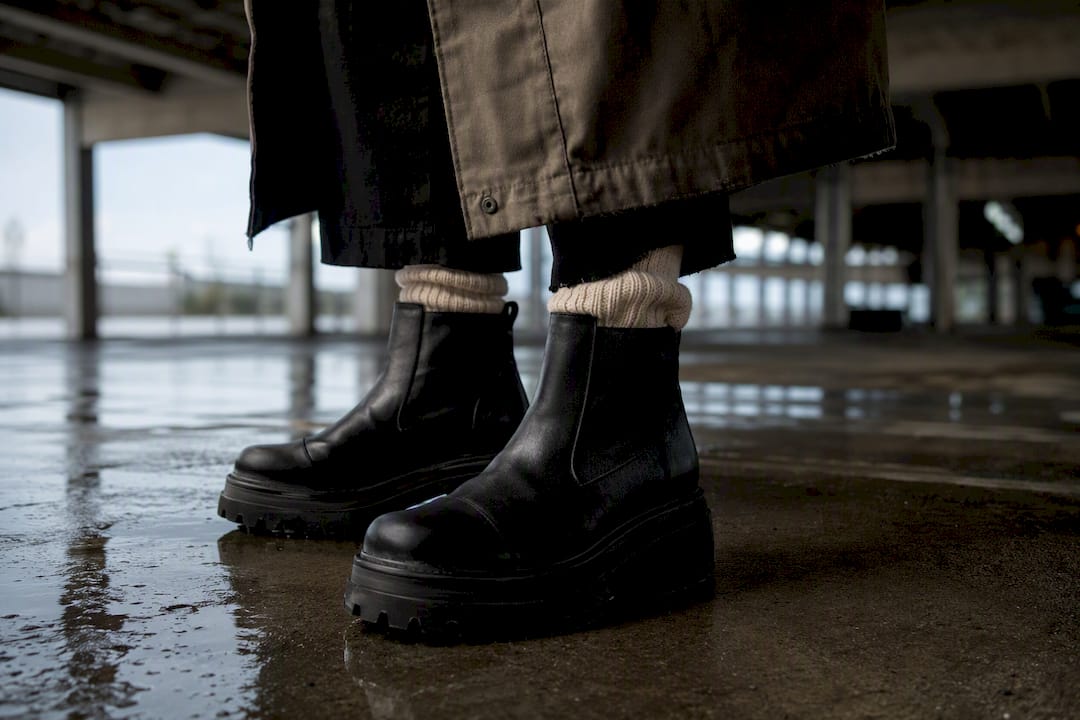
Color-wise, footwear works best as either a match to your neutral or a deliberate accent, echoing the same one-dominant, one-accent logic from your layers above. Boots in a similar tone to your outer shell disappear into the outfit in a good way; a bright accent shoe can be the one pop of color the whole look needed.
How Do You Adjust Layering for Different Body Types?
The weight hierarchy and proportion rules stay the same for everyone. What changes is where you put the volume.
If you’re broader through the shoulders, keep the mid layer close to the body and let the outer piece carry the volume instead, so bulk doesn’t stack directly on your widest point. If you’re leaner through the frame, an oversized mid layer, like a boxy hoodie, actually works in your favor since there’s more room for it to hang without overwhelming your proportions.
Taller frames can handle longer hem staggers, base tees dropping several inches below the mid layer, without looking unbalanced. Shorter frames generally look cleaner with tighter hem gaps and a higher-fastening outer layer, since too much visual length can shorten the leg line. In every case, the fitted-element rule from earlier still applies: whatever body type you’re working with, keep one layer close to the body so the outfit has a clear shape instead of just fabric volume.
How Do You Care for Layered Streetwear Pieces?
Layered outfits only look sharp if the individual pieces still hold their shape, which means base layers, mid layers, and outerwear each need slightly different care.
Wash thermal and cotton base layers inside out on a cold cycle to protect prints and keep the fabric from thinning out too fast, since these pieces touch your skin daily and see the most wear. Heavyweight hoodies and fleece mid layers hold their shape longest when you skip the dryer’s high heat setting; air-drying or a low tumble setting keeps the fleece lofted instead of matted flat.
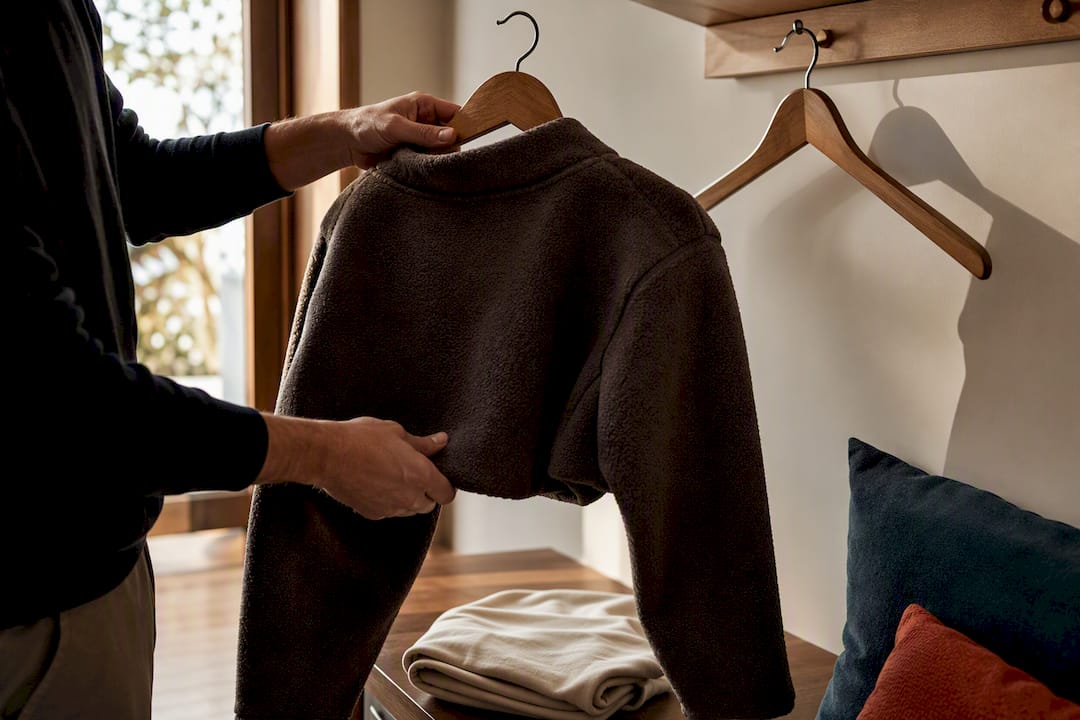
Denim jackets and coats need the least frequent washing of the three. Spot-clean when you can, and save a full wash for when it’s actually needed, since over-washing denim strips the color and breaks down the fibers faster. Store your outer layers on real hangers rather than folded in a drawer. A coat or denim jacket that keeps its shoulder shape stays office ready for the outer-layer role your formulas above depend on.
Why Intentional Layering Beats Buying More Clothes
Most people solve a boring wardrobe by buying more of it. The better fix is fewer pieces that layer well together. A hoodie, a good base tee, and a solid outer shell in the right weights will outperform a closet full of items that don’t talk to each other.
Try the formulas above with what you already own before buying anything new. You’ll find the gaps fast, usually a mid layer that’s the wrong weight or a base that’s too baggy to layer under anything. Fix that gap specifically instead of guessing.
— Joshua
Shop the Look: Pieces Built for These Formulas
If you tried the everyday winter formula above and realized your hoodie is either too thin to anchor an outfit or too bulky to layer under a coat, that’s usually a weight problem, not a style problem. The Snow Washed Distressed Panel Pocket Hoodie is built at the exact midweight that formula calls for: enough substance to be your statement mid layer, thin enough to sit comfortably under a parka or wool coat without choking the sleeves.

For the denim-on-denim and urban casual formulas, the Denim Vintage Washed Heavyweight Jacket gives you the roomy outer shell those combinations need, with enough shoulder room to layer a hoodie underneath without pulling tight across the back. Both pieces are built specifically for stacking, so you’re not stretching a slim-fit item beyond what it was made for.
Head to Thepreciouslamb to check sizing on either piece and start building your winter rotation from the base up.
Sources
For deeper technique breakdowns, see the Tokyo layering rules, the full seasonal layering guide, and winter streetwear layering pieces from GQ India.